
On Autism
On being diagnosed as autistic at 40 years old.

Well the diagnosis has officially been made, reported, and recorded. I am autistic! It's not a huge surprise but it does name some yet-unnamed thing in me that I have long been aware of. And from what I know about neurodivergence, this is an important thing to people like us. Naming the unknown.
So I am, as the young people and my therapist say, AuDHD. It sounds like a cool title that I should have to have graduated from something to receive, but nope, just a bunch of questions from doctors about my life growing up and now, and apparently this is enough to earn the title.
There is something about being diagnosed with a lifetime condition as an adult that feels a little awkward. But deep down, I have suspected this since I was in high school, when I began volunteering my time with the special needs (what it was called at the time, no idea what it is to be called now!) class at my school. In this class there were a number of students with what is now called Level 3 autism, meaning they require a lot of support to function. I spent a lot of time with these students and loved working with them, and it was here that I first learned what autism was and how it affected the people who had it.
I worked extensively with a young woman named Michelle who was nonverbal but could type verbatim the intros to her favourite television shows. It was her favourite thing to do and was offered as a reward when she completed her other work. I would watch her type and occasionally type out a question for her in the machine. She would ignore me, because I was not participating in her special interest the way that she would like.
At the time, I naively thought all autistics were nonverbal or could be easily recognized by how they spoke. The people I had interacted with clearly experienced the world differently, even if I didn’t understand the specifics then. It wasn’t until adulthood that I learned autism was a spectrum—and later, that I was on it.
I think many people my age (40) may have been led to believe the same thing. Because I was extremely verbal and smart as a kid, my difficulties were glossed over. I was in speech therapy in elementary school but I was also in the Talented and Gifted program. I struggled socially with children but I was great at conversing with adults. I was an extremely sensory picky eater growing up, something that continues to this day.
I've been described as 'too emotional' and 'chaotic' throughout my life, something that I thought at first was just my unmanaged ADHD. But once I got on meds for that I still felt that there was something going on not better explained by my depression and anxiety.
Since my therapist and I have been working together for years, he was able to subtract the symptoms of my other conditions and see what was left. What we found there was a level 2 autism diagnosis.
I struggle here in Australia with meeting and making new friends, and I miss my comfortable, familiar American friends. I really don't like it when plans change suddenly, and I still struggle daily with the textures of food and clothing. I have always had special interests and my ADHD gives me the ability to hyper-focus on these topics. I keep being told that I have a flat affect and people are often confused by my facial expressions when I’m in social situations. My home environment is my safe space. I am hyper-aware of pain and physical discomfort, and my anxiety has always manifested in a very physical way. To say that I have a “strong sense of justice” is an understatement, and I am glad to see that mirrored in my son.
But it was mostly in seeing my son's behaviour reflected back at me that I noticed it was very similar to how I was as a kid.
After going through the diagnostic process with our son, I learned a lot more about autism. In talking to other friends who also have been diagnosed as adults, I've learned even more. It just so happens that this is happening at a time when there is hugely increased awareness about autism. TikTok and Instagram are rich with autism content, and I am here for it. I have learned loads from my neurodivergent therapist who knows a ton about the subject. In speaking to him about my experience of what I have been through over the years we have been working together, it became clear that a diagnosis of autism would help inform our work together.
So here I am, an adult autistic who is slowly learning what that means, and more specifically what it means to me. I am sad for the little girl in me that felt so misunderstood and tried so hard to reorient myself in social settings.
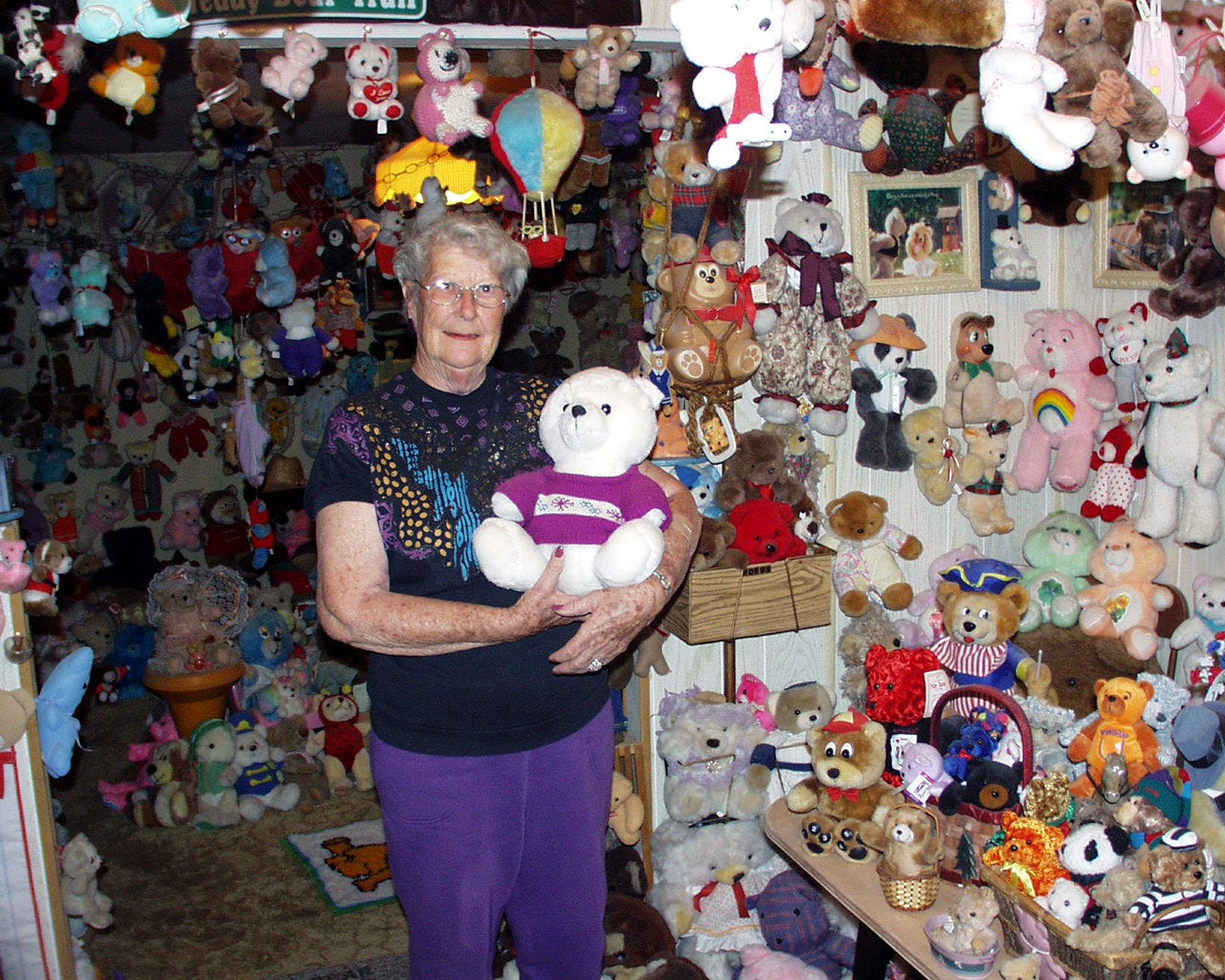
I wish I could go back in time and put more supports in place for little Krystal, because level 2 autism does require support, though not as much as level 3. I have raw-dogged my autistic life. But I am proud of my lifetime of special interests that have carried me through, and I am happy that my collections (books, tiny spoons, teapots, watering cans, snail figurines, crystals) have helped to diagnose this situation.
I don't want to call it a disorder or a condition, because to me it is a state of being. I do not think of it as a deficit but an asset. Since being diagnosed with ADHD, I've told people that I made a career out of it, being sort of good at a lot of things but master of none. And I think it remains true of my dual diagnosis–that I have made the most out of what I have been given to work with.
It feels strange to acknowledge something so new and personal online, but this process started for me seriously when I saw a friend go through it online, so maybe this could be helpful to someone else. It has made me feel Seen in a new way that I didn't know I needed until I had it. So I guess there is something in being diagnosed that I needed, and that has been achieved. It feels a bit anticlimactic, in a way, confirming something that I feel I have known about myself all along.
So yes, I’m officially autistic. But unofficially? I’ve always been this way. Now I just have the receipt.
This is beautiful, thank you for sharing! Definitely made me feel less alone to read it. It’s so important to share our stories, and worth it for
the off chance that one person will connect with it.